
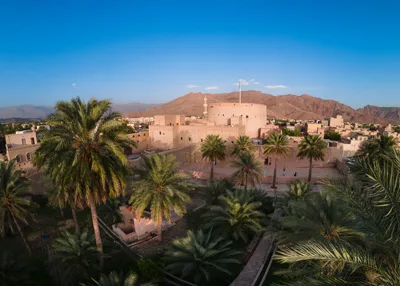
Al Dakhiliyah travel guide
Explore Nizwa’s fort and souq, then continue to Bahla, Jabreen or the villages near Al Hamra. Allow separate days for the mountain roads to Jabal Akhdar and Jabal Shams.
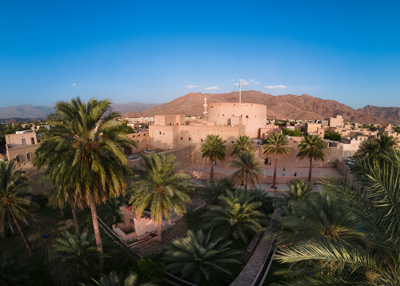
The interior region combines mountain villages and productive oases with some of Oman’s best-known forts. Nizwa makes a convenient base for Bahla, Jabreen and Manah, while Al Hamra connects to separate day trips into the mountains.
Jump to a place by name
Towns, villages and destinations

Adam
Adam is an inland oasis at the edge of the broad plains south of Nizwa. Its historic harats developed around palms, water channels and closely spaced earthen houses.
Visiting details
Use the specific old quarter as your navigation point. Confirm which buildings are open and stay clear of unstable structures.

Al Hamra
Al Hamra lies at the foot of the western Hajar Mountains. Its old village has tall earthen houses and narrow lanes above gardens. Use the town as a base for Misfat Al Abriyeen, Al Hoota Cave and separate mountain excursions.

Al Jabal Al Akhdar
The high plateau of Jabal Al Akhdar is known for orchard terraces, cliffside villages and cooler mountain air. Around Saiq and Wadi Bani Habib, short walks link views of cultivated slopes with the remains of older settlements.
Visiting details
Confirm current vehicle requirements for the mountain road and choose a walk suited to your group. Mountain weather can change quickly.

Bahla
Bahla grew around an oasis and a monumental mudbrick fort, now a UNESCO World Heritage Site. Allow time for the old settlement and market as well as the fort, and make a separate stop for Jabreen Castle.

Bid Bid
Bid Bid occupies the inland corridor between Muscat and the central towns. Bid Bid Castle and the older settlements around Fanja sit among palm groves and routes that pass through the Hajar foothills.
Visiting details
Map Bid Bid Castle and Fanja separately. Confirm access to historic buildings before visiting.

Izki
Izki’s older settlement is divided into traditional quarters and surrounded by cultivated land. The Harat Al Yemen area is a useful starting point for a locally guided look at mudbrick architecture and former residential lanes.

Manah
Manah is an interior oasis town with restored heritage streets at Harat Al Bilad and a nearby modern museum, the Oman Across Ages Museum. A visit can combine the scale of the historic settlement with the museum’s wider account of Oman.
Visiting details
Allow separate time for the old town and museum, and check museum hours before making the trip.
Nizwa
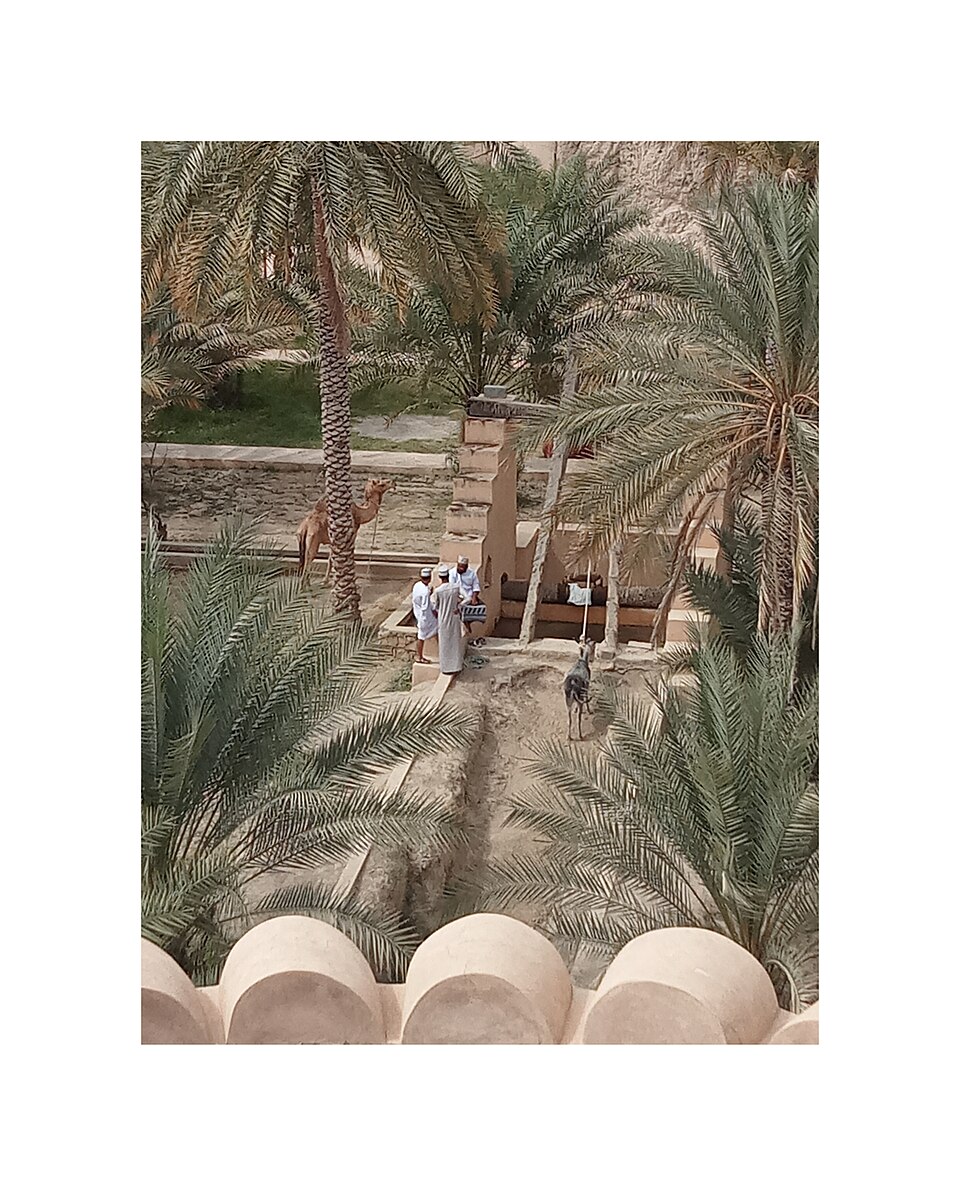
The fort and market form a walkable introduction to Nizwa. Start with the souq and make time for the circular tower, whose views show the relationship between the old town and surrounding date gardens. Birkat Al Mouz and Tanuf are short excursions outside the centre.

Samail
Samail occupies a valley corridor through the Hajar Mountains with date gardens and historic settlements. Set aside time for a short local stop rather than passing straight through, and check access to heritage buildings on the day.
Attractions and things to do

Adam Old Town
Old Adam includes historic quarters of mud-brick houses and lanes. One is Harat Al Busaid, associated with Ahmed bin Said, founder of the Al Busaid dynasty.
Al Hamra Old Village
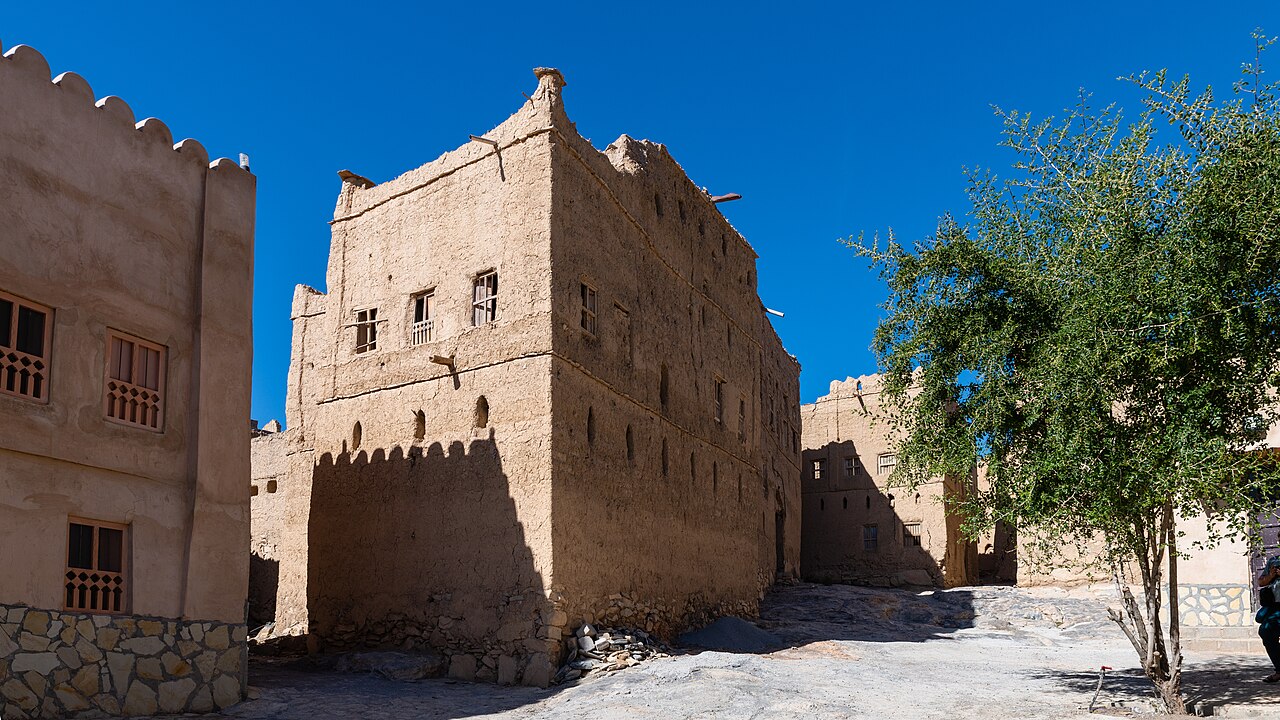
The old quarter of Al Hamra is known for multi-storey earthen houses along narrow lanes above the oasis. Follow accessible streets and combine the visit with Bait Al Safah, where the museum brings some local domestic traditions to life.

Bahla Fort
The UNESCO-listed Bahla Fort sits above a historic oasis and settlement. Its tall, earth-coloured walls and towers display the scale of medieval Omani earthen fortification. Check current opening arrangements before adding the fort and nearby Jabreen Castle to the same trip.
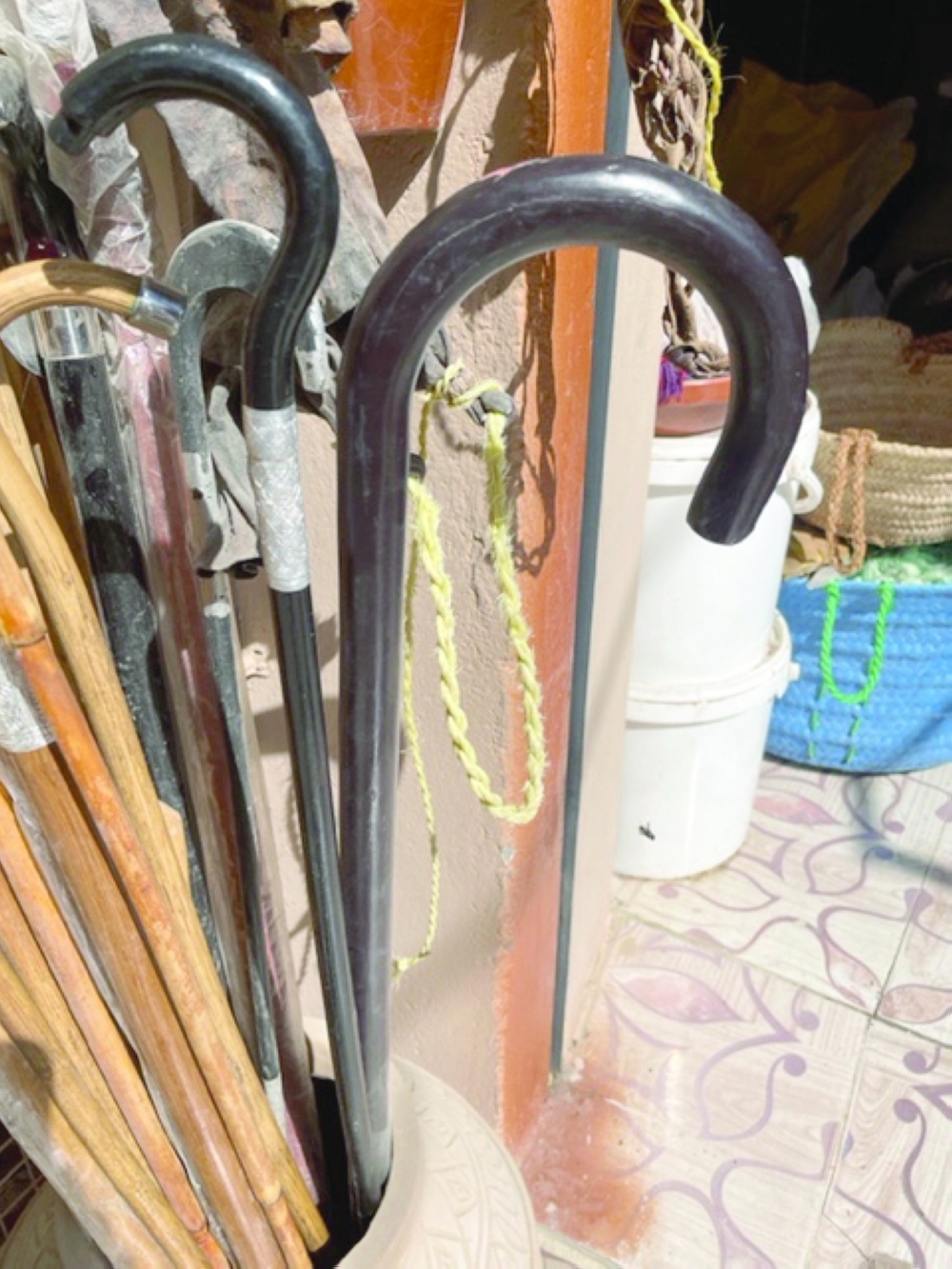
Bahla Souq
Beside Bahla Fort, the traditional market is a place to browse pottery, baskets and other local crafts. Bahla has long been known for its clay workshops.

Bait Al Safah Museum
This heritage house in Al Hamra’s old quarter introduces daily life in an Omani mountain home. Demonstrations can include breadmaking, coffee preparation and other household crafts.
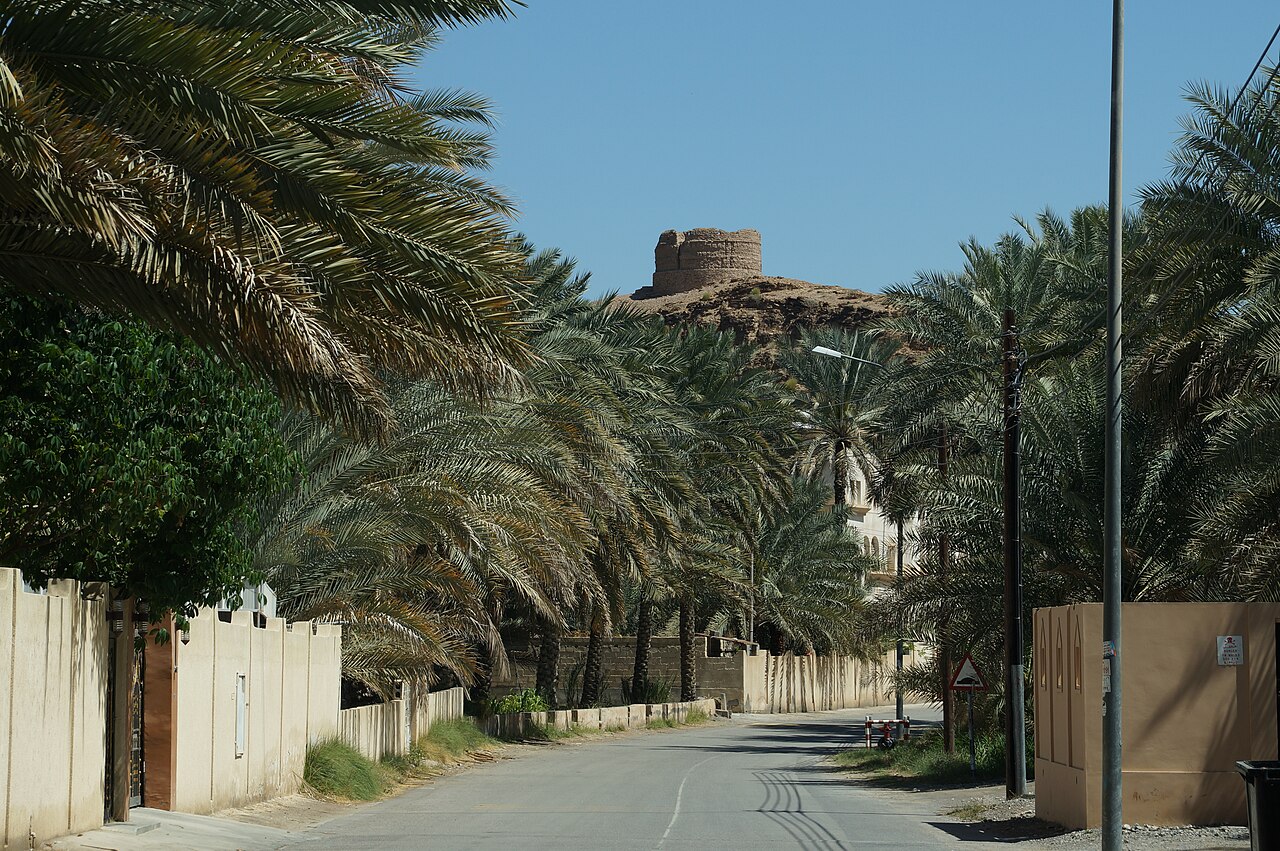
Birkat Al Mouz
Old mudbrick houses rise above the date gardens at Birkat Al Mouz. Explore public paths and look for channels of the Falaj Al Khatmeen irrigation system. Leave old structures undisturbed and respect the working gardens.
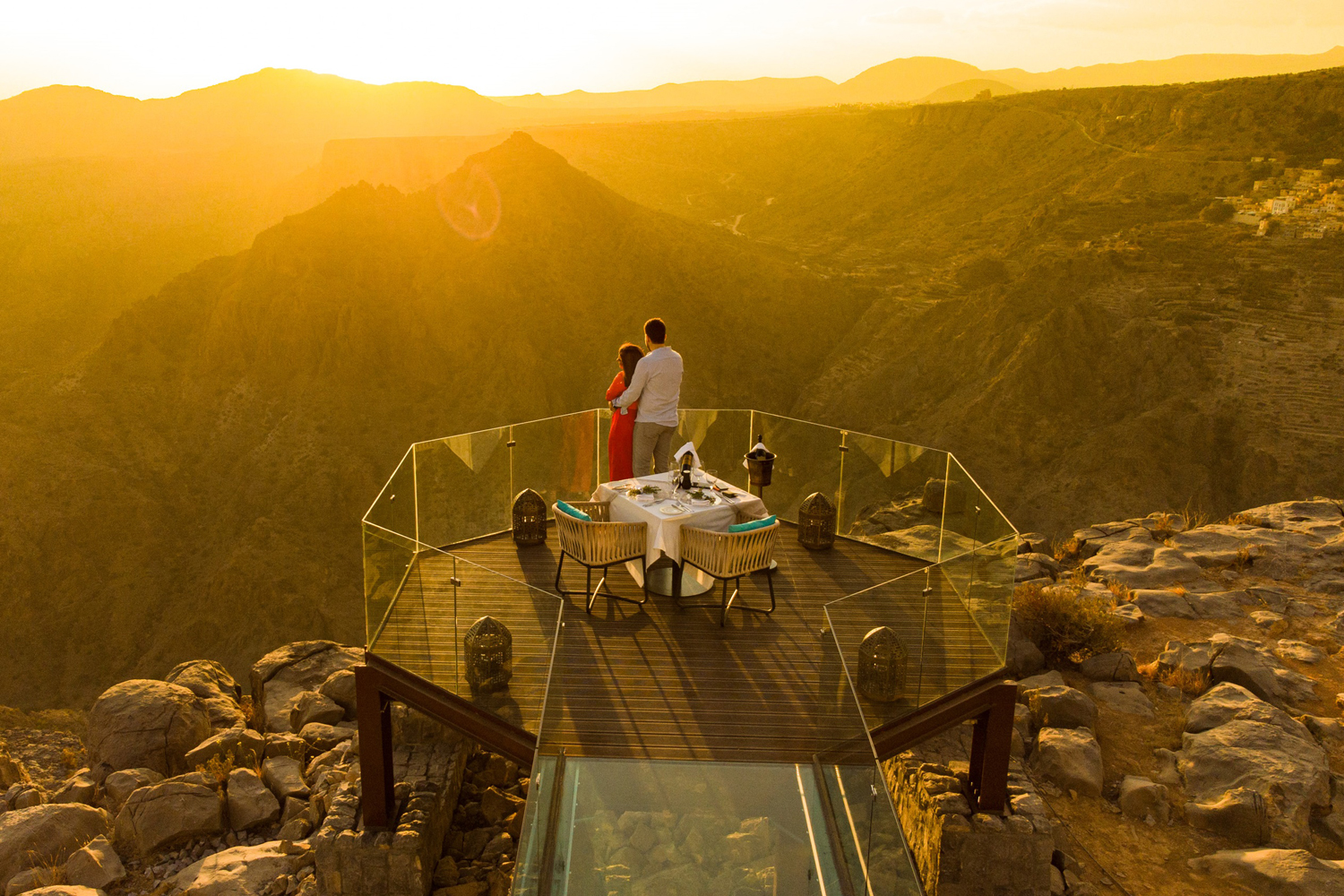
Diana’s Point
Diana’s Point is a canyon-edge viewing terrace inside Anantara Al Jabal Al Akhdar Resort. Ask the resort about access if you are visiting without a room reservation.

Falaj Al Khatmeen
Falaj Al Khatmeen distributes water through the oasis of Birkat Al Mouz and is one of the channels included in UNESCO’s Omani aflaj listing. Follow public lanes to see how the flow serves gardens below the old settlement.

Falaj Daris
Falaj Daris is one of the historic Omani irrigation channels included in the UNESCO aflaj listing. The channel carries water through the Nizwa oasis. View the system from accessible public paths and keep clear of working water channels.
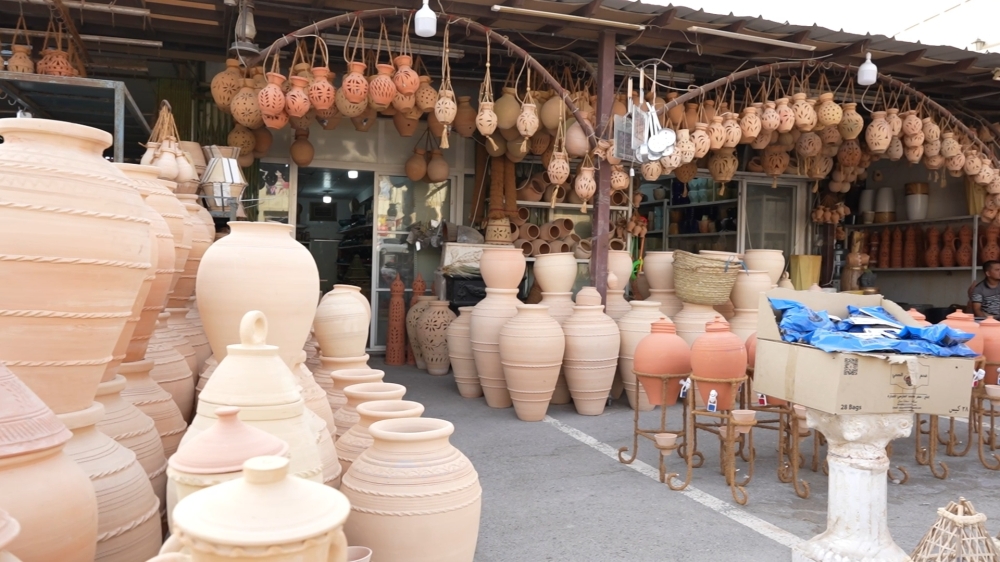
Fanja Souq
Fanja’s market in Wilayat Bidbid is known for household pottery, woven baskets and other traditional goods. The shops line the road through the lower part of the village.

Fanja Village
Fanja is a Bidbid village with old mud-brick homes and towers above the wadi. The newer neighbourhoods, traditional market and historic houses form distinct stops.

Harat Al Bilad Manah
Harat Al Bilad is Manah’s historic quarter, with lanes, mud-brick houses and historic mosques within a compact settlement. Check which restored areas are open on the day.
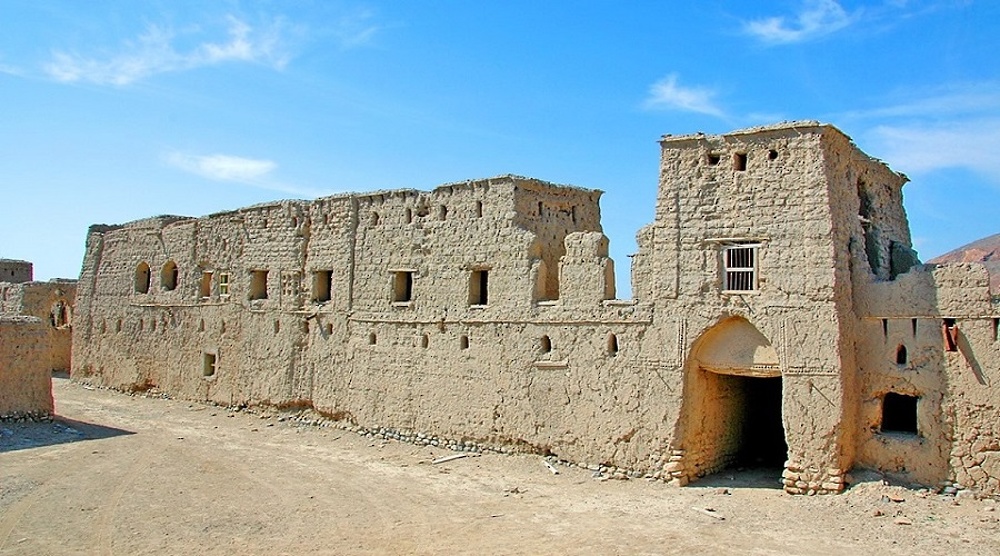
Harat Al Yemen Izki
Harat Al Yemen is one of the old quarters of Izki. Its closely spaced mudbrick buildings and passages show the shape of a traditional residential district. Follow accessible outdoor paths and check locally before entering historic buildings.
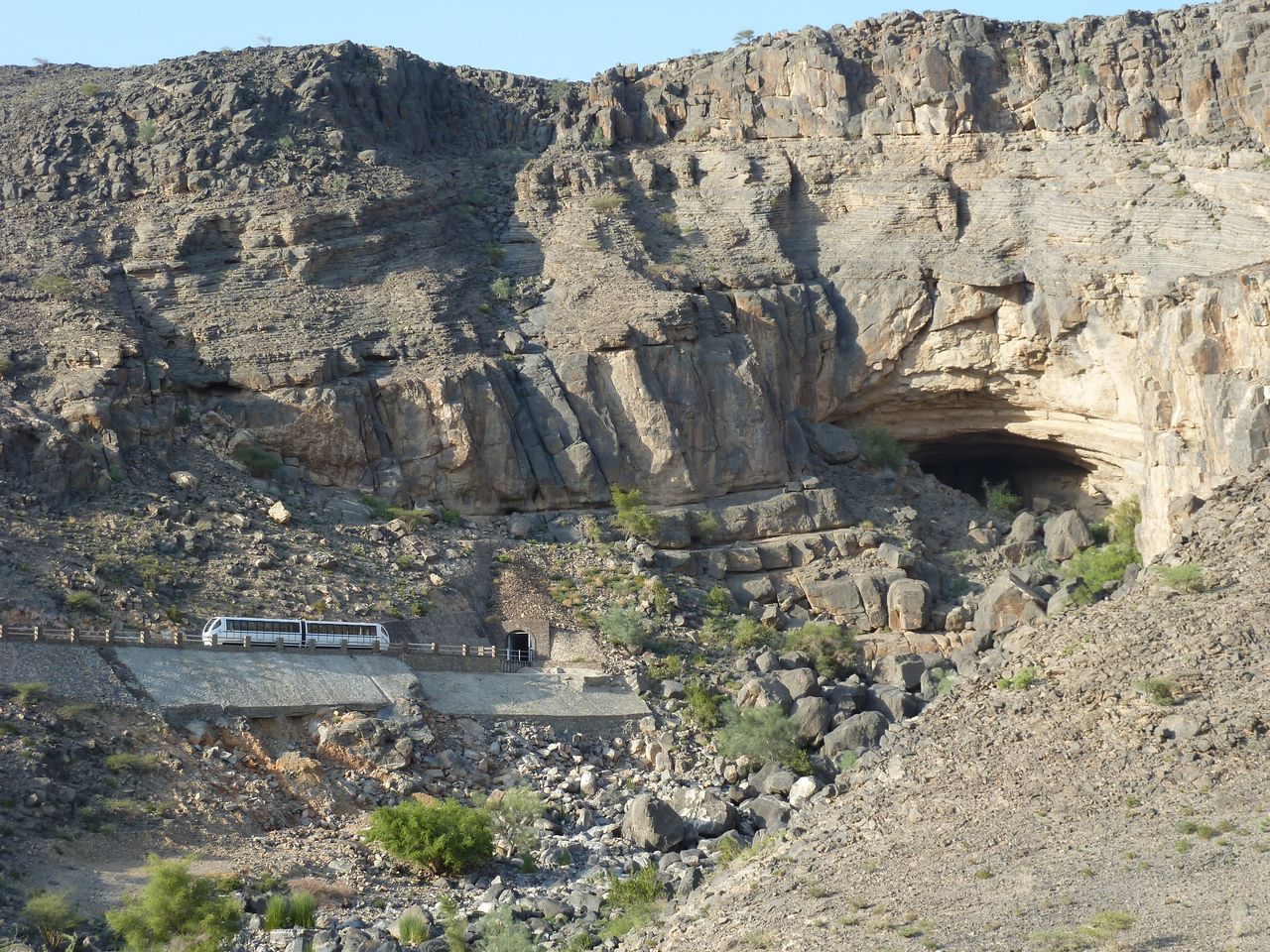
Hoota Cave
Al Hoota Cave is a limestone cave system near Al Hamra with an underground lake and a managed visitor route. Confirm current ticket availability and tour departures before travelling, since access depends on the operator and cave conditions.

Jabal Al Akhdar
Jabal Al Akhdar is a high plateau known for terraced orchards, mountain villages and seasonal roses. The terrain rewards walking between viewpoints or villages. Confirm current access and vehicle requirements before driving to the plateau.

Jabal Shams
Jabal Shams looks across the deep canyon known as the Grand Canyon of Oman. A rim viewpoint offers a short stop, while the Balcony Walk requires time, suitable footwear and attention to exposed edges. Check road and weather conditions before travelling.

Jabreen Castle
Jabreen Castle is known for its decorated ceilings, carved doors and domestic rooms. The interiors reward a slower visit than an exterior stop alone. Bahla Fort is a separate landmark nearby and can be combined on the same day.

Misfat Al Abriyeen
Misfat Al Abriyeen is a hillside village with stone lanes, palms and cultivated terraces. Walk the public paths alongside the irrigation channels and give residents space in this working village. Sturdy shoes help on the uneven steps.

Nizwa Fort
Nizwa Fort’s broad circular tower rises beside the old souq. Explore the defensive passages and courtyards, then go up to the battlements for views over the palms and town. Pair the visit with the neighbouring market.

Nizwa Souq
Beside the fort, the souq groups produce, dates, silverwork, pottery and other goods in separate halls and lanes. An early visit offers the most active market atmosphere. Ask before photographing traders and confirm any livestock market arrangements on the day.

Oman Across Ages Museum
This large museum traces Oman from its geological past through ancient settlement to the modern state. Its broad galleries include digital displays and immersive installations. Set aside several hours and check the museum’s current entry arrangements before travelling to Manah.
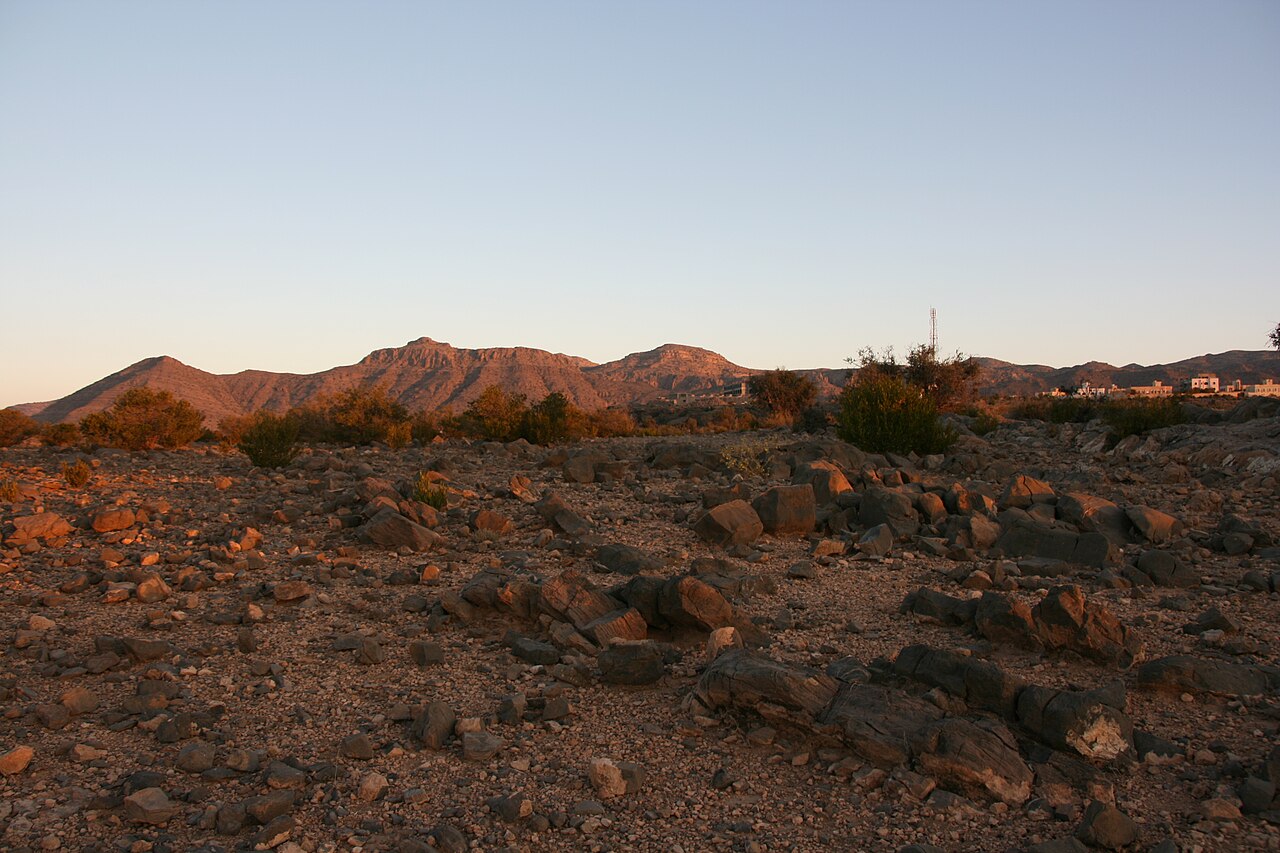
Saiq Plateau
The high plateau around Saiq has orchards, terraced villages and canyon viewpoints. Near the escarpment, village paths link gardens watered by traditional irrigation channels.
Samail Castle
Samail Castle stands above a valley and date gardens on a long-used route through the Hajar Mountains. The approach itself gives views over the oasis. Check opening arrangements before planning an interior visit.
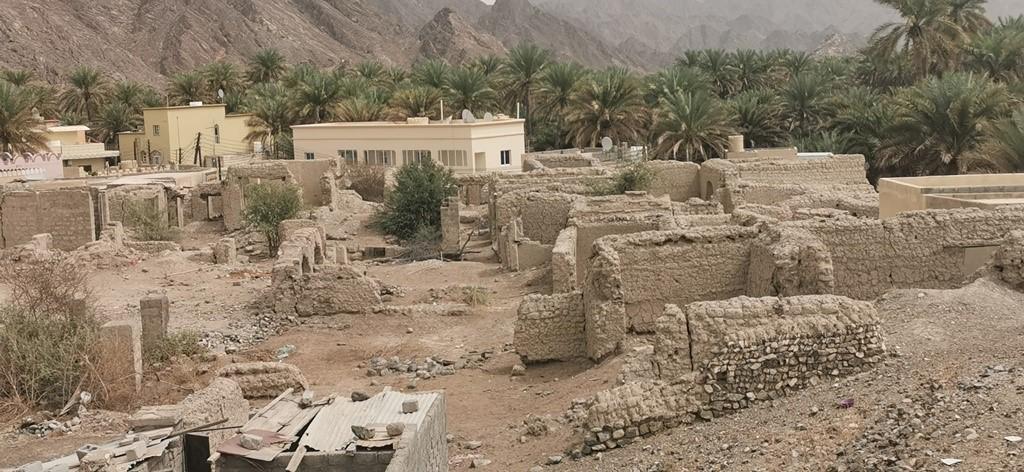
Samail Old Village
Older quarters in Samail sit among palm gardens in the natural gap through the Hajar Mountains. The town is also associated with the historic Al Midhamar Mosque.
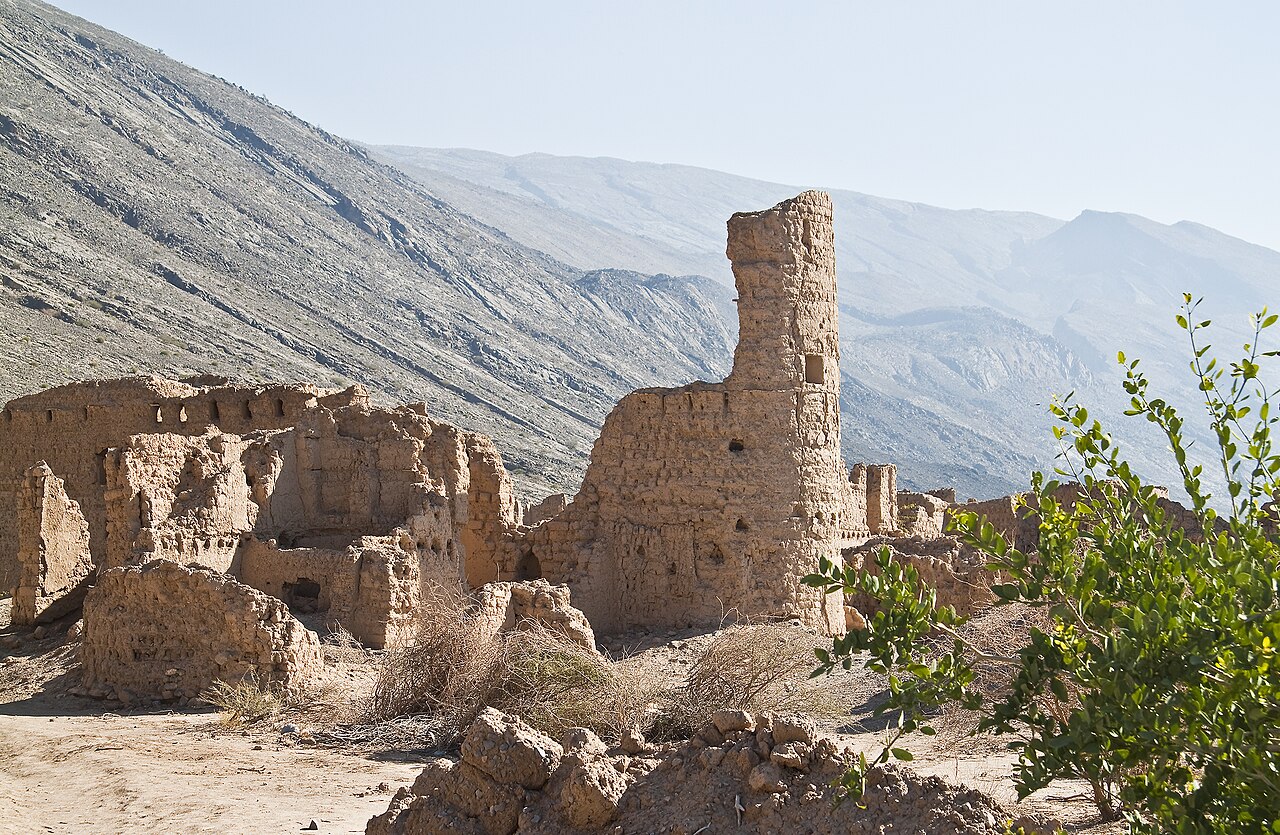
Tanuf Ruins
Tanuf’s weathered mudbrick lanes stand at the mouth of a rocky valley between Nizwa and Bahla. Look at the ruined buildings from accessible paths. As walls and roofs can be unstable, keep clear of confined interiors.

Tanuf Wadi
Wadi Tanuf cuts into the Western Hajar behind the old Tanuf settlement. Its cliffs and gravel channels make this a distinct landscape stop from the abandoned houses.

Via Ferrata Jabal Shams
The Jabal Shams via ferrata uses fixed cables and ladders on a canyon wall. It is a technical outing and an operator can confirm equipment, suitability and current route access.
Wadi Bani Habib
The footpath into Wadi Bani Habib reaches abandoned stone and mudbrick houses across the valley. Visit during daylight, allow time for the return climb and keep away from unstable structures.
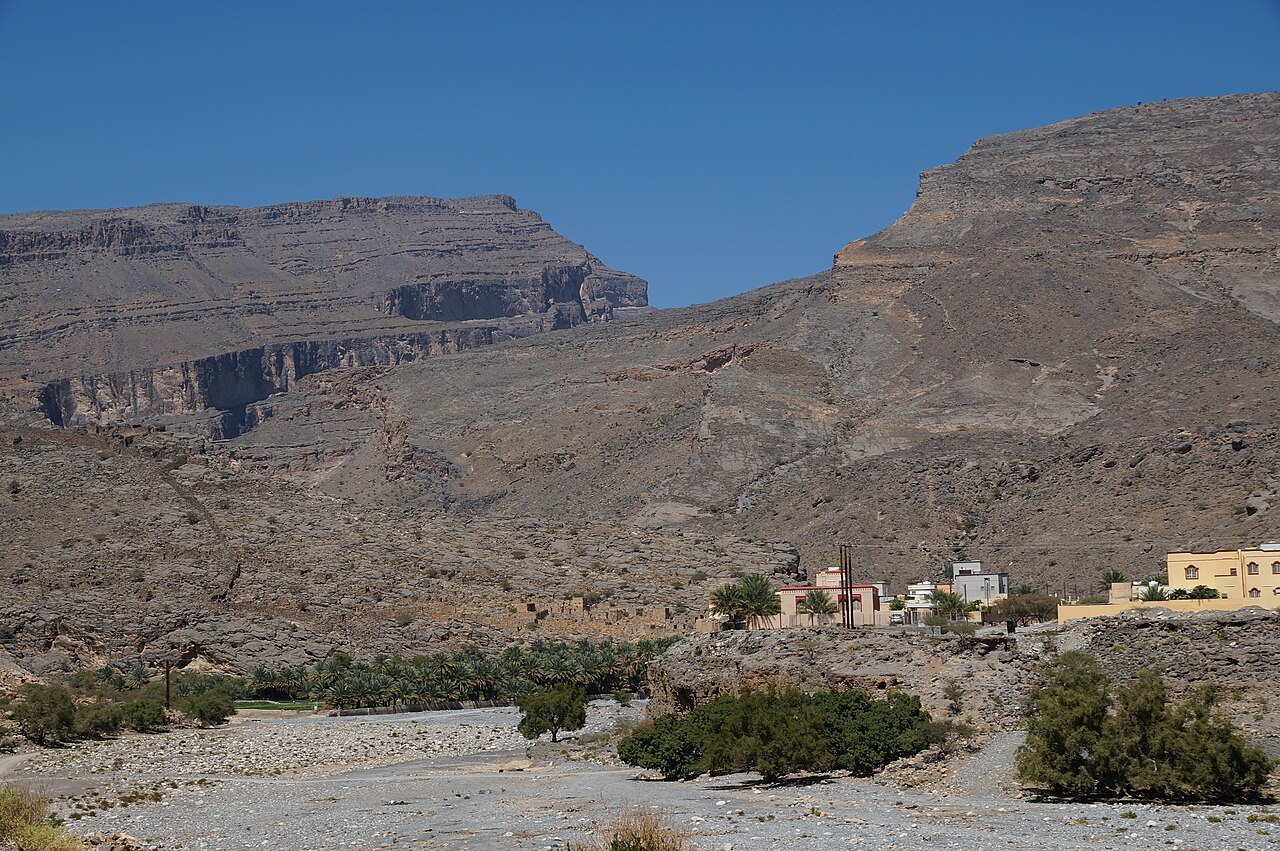
Wadi Ghul
Below Jabal Shams, the old village of Ghul and the valley entrance show how settlements used the narrow ground at the foot of the cliffs. The historic houses are visible from the road approach.
Visiting details
This image shows the old Ghul village and Wadi Nakhar together. The stops and trail entrances are distinct.
Wadi Nakhr
Wadi Nakhr is the deep canyon beside Jabal Shams. Views from the rim show steep wall layers, and the W6 walking route looks down into the gorge.
Visiting details
This photograph shows the approach near the old Ghul village. Its caption identifies Wadi Nakhar; it is not a rim viewpoint photo.