
Muscat travel guide
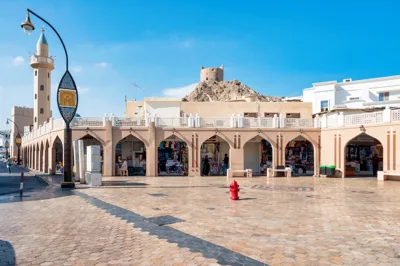
Walk the harbourfront at Mutrah, explore the museums of Old Muscat and allow a separate morning for the Grand Mosque. The capital stretches along the coast, so group stops by district.
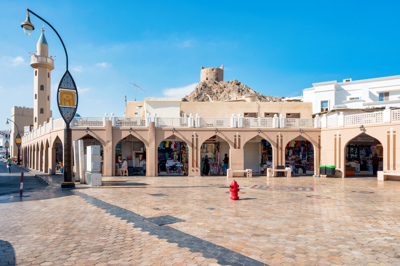
Muscat Governorate brings together historic harbour districts, the capital’s cultural institutions and a coast of villages, beaches and rocky inlets. Base yourself near the places you plan to visit and allow time for travel between Mutrah, Old Muscat, Qurum and Seeb.
Jump to a place by name
Towns, villages and destinations

Al Amirat
Al Amirat lies inland behind the coastal hills of Muscat. The road over the ridge gives broad views of the surrounding terrain. Use a designated turnout for photographs and check local routes before exploring wadis in the area.
As Seeb
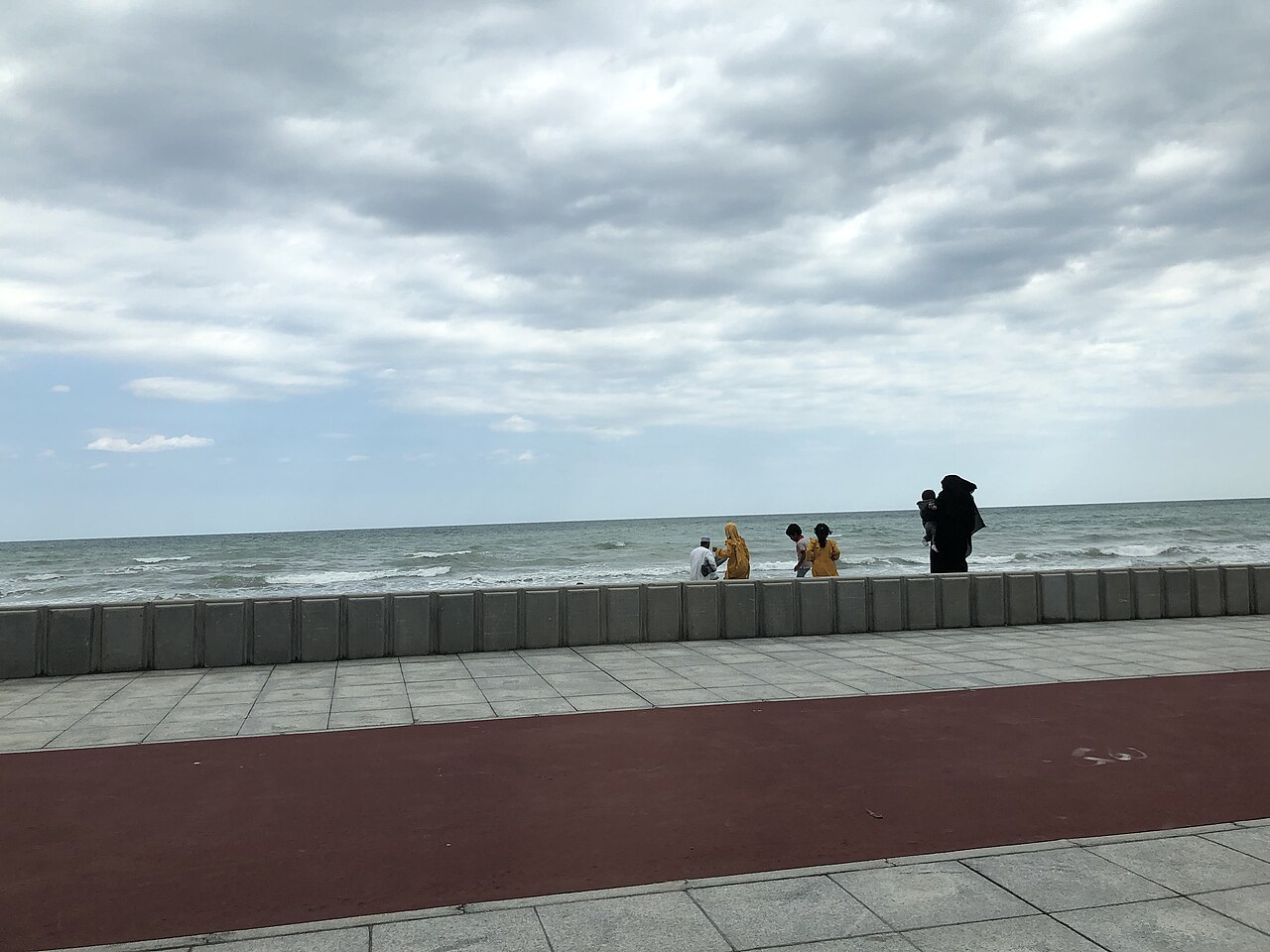
As Seeb stretches along the coast west of central Muscat. Start with the waterfront or Seeb Souq for a more local pace, then continue toward the marina and beaches. Allow travel time when combining Seeb with Old Muscat.

Bawshar
Bawshar includes the Sultan Qaboos Grand Mosque and the neighbourhoods of Al Khuwair and Ghubrah. Plan the mosque around its designated visiting hours, then allow time for nearby museums, cafés or waterfront stops elsewhere in Muscat.

Muscat
Old Muscat sits around a natural harbour guarded by Al Jalali and Al Mirani forts. Start near the palace and National Museum, then add Bait Al Zubair or a public harbour viewpoint. Mutrah’s souq and commercial waterfront are a short journey away.

Mutrah
Mutrah is Muscat’s historic trading district, built around a harbour and promenade below the fort. Visit the fish market early or combine the covered souq and corniche later in the day. Riyam marks the eastern end of the waterfront walk.
Qurayyat
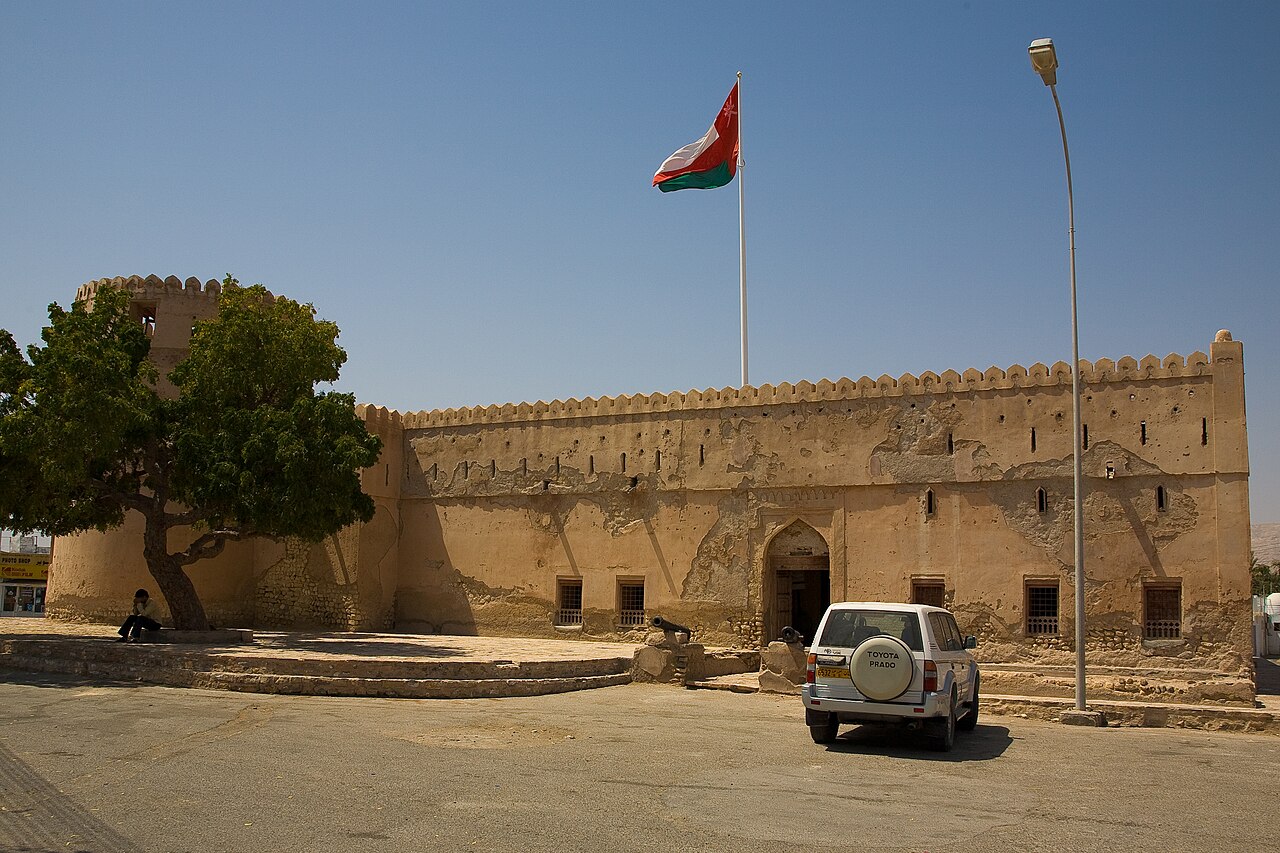
Qurayyat is a coastal town with a fishing harbour and a short waterfront. The town also makes a practical base for exploring Wadi Dayqah Dam or nearby beaches. Drive time and access differ between those stops, so plan them individually.
Attractions and things to do
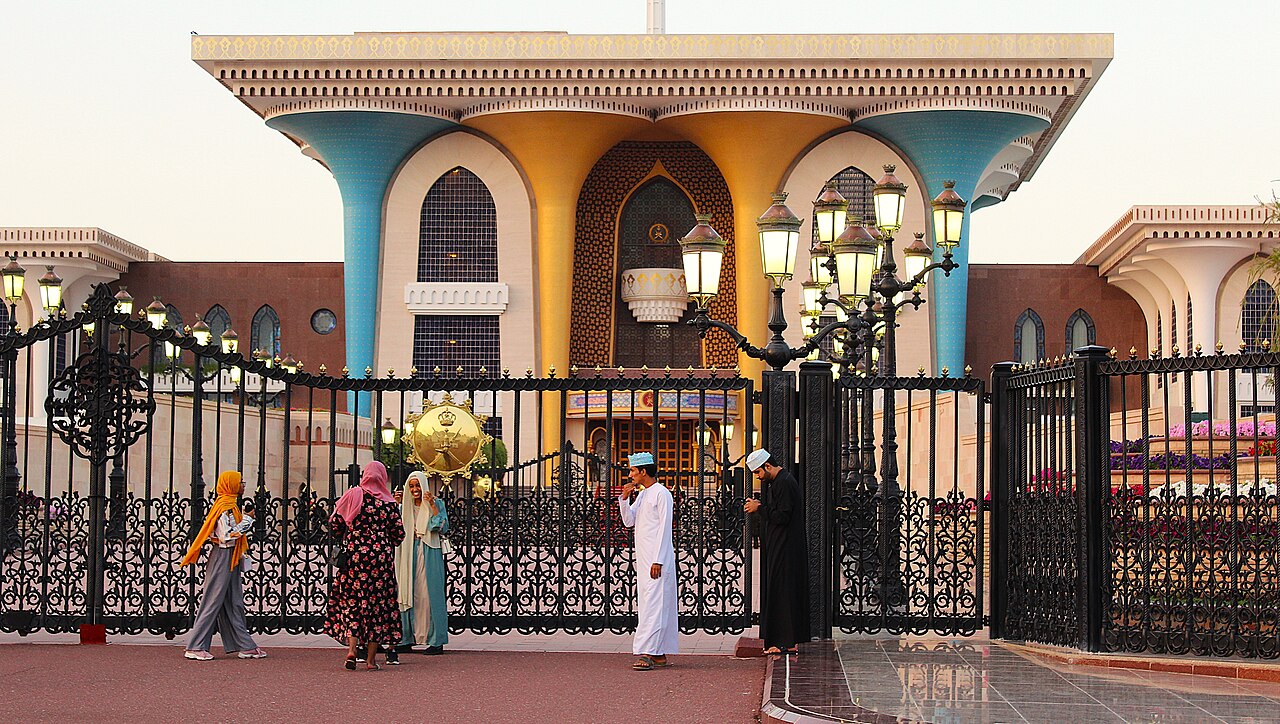
Al Alam Palace
The blue-and-gold ceremonial palace stands at the end of a formal avenue in Old Muscat. View the façade from the public forecourt and combine the stop with the National Museum and harbour fort viewpoints. The palace interior is reserved for official use.
Al Amerat Viewpoint
The high road above Al Amirat has wide views of the inland valley and surrounding hills. Use a proper stopping area for a short photo break and avoid standing in the carriageway.

Al Bustan Beach
Al Bustan lies on a bay enclosed by the rocky hills east of Old Muscat. The coast can be viewed from public approaches. Confirm access with the relevant property if you plan to use hotel-managed stretches or facilities.
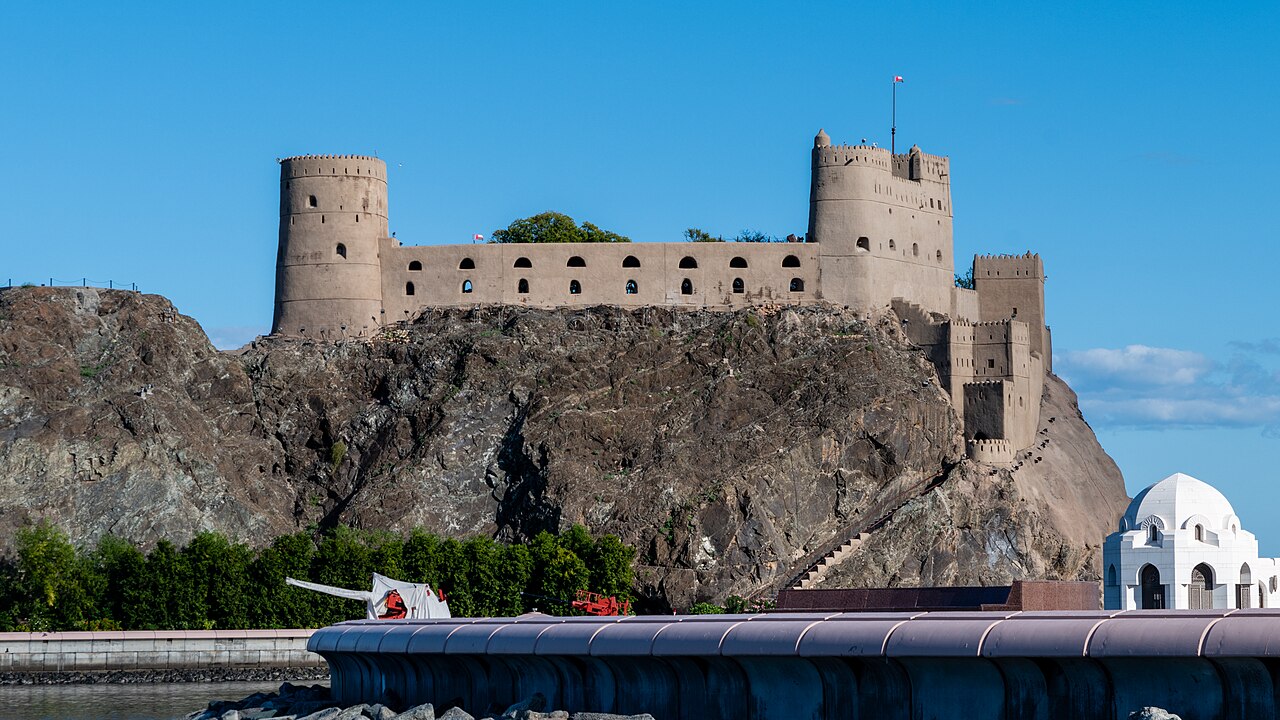
Al Jalali Fort
Al Jalali stands on a promontory guarding the entrance to Old Muscat’s harbour. The fort is best appreciated from a public viewpoint across the water, where its position opposite Al Mirani illustrates how the port was defended. Check locally for any authorised access.

Al Mirani Fort
Al Mirani occupies the rocky ridge on the western side of Old Muscat’s harbour. Look back toward the palace and opposite Al Jalali from authorised viewpoints. Confirm current entry arrangements with the operator before planning a fort visit.

Al Mouj Golf
Al Mouj Golf is a coastal links-style course with fairways and bunkers beside the Gulf of Oman. Use the club's booking page to confirm tee times and visitor access to the course or practice facilities.

Al Mouj Muscat
The Al Mouj marina district combines a boat harbour, waterfront paths and places to eat. It is also a departure point for marine excursions, whose schedules depend on the operator and sea conditions. Confirm the meeting point before travelling.
Al Sahwa Garden
Al Sahwa Garden is a municipal park in Seeb with lawns, palm plantings, fountains and play areas. Allow time for an evening walk or a family stop and check the park entrance before following directions to the nearby tower roundabout.

Al Sifah Beach
Al Sifah Beach lies on the coast southeast of Muscat, near the fishing settlement and the Jebel Sifah development. Choose a public beach access point or contact the marina if you are visiting for an operator-led activity.

Bait Al Baranda Museum
Bait Al Baranda occupies a historic house near Mutrah's waterfront. The museum has interpreted Muscat's geology, history and trading past. Confirm current opening arrangements before making a dedicated visit.

Bait Al Zubair Museum
Bait Al Zubair displays the Al Zubair family’s collection in a group of buildings in Old Muscat. Its jewellery, clothing, household objects and traditional weapons make a compact introduction to Omani material culture. Combine the museum with Al Alam Palace on foot.

Bandar Al Khairan
Rocky headlands close around a series of blue inlets southeast of central Muscat. View the coast from the road or arrange a kayak, boat or snorkelling trip with a local operator. Sea conditions can affect departures and the suitability of individual coves.

Bandar Jissah
Bandar Jissah is a coastal inlet below rocky hills near Qantab. Several approaches lead to resort or residential grounds. Check where visitors can reach the shore or book an excursion before heading down to the bay.
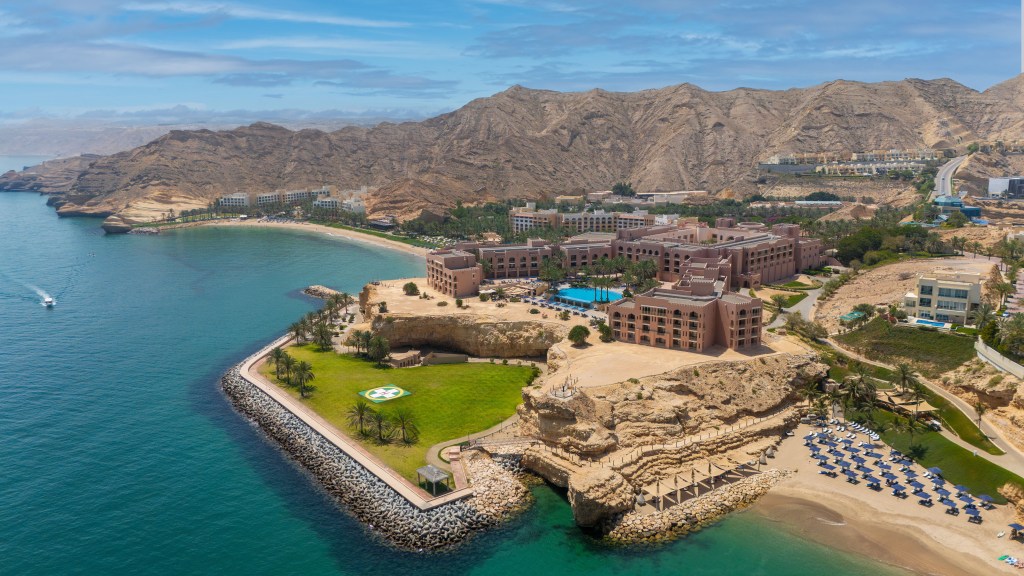
Barr Al Jissah
Barr Al Jissah is a sheltered stretch of shoreline southeast of Muscat, fringed by rocky hills and resort properties. Hilton opened three hotels along this coast in January 2026. Confirm day access before planning a beach or resort visit.

Bimmah Sinkhole
Bimmah Sinkhole is a limestone hollow with clear water inside Hawiyat Najm Park. A staircase descends from the rim. Allow time to look into the hollow from above and check local signs before entering the water.
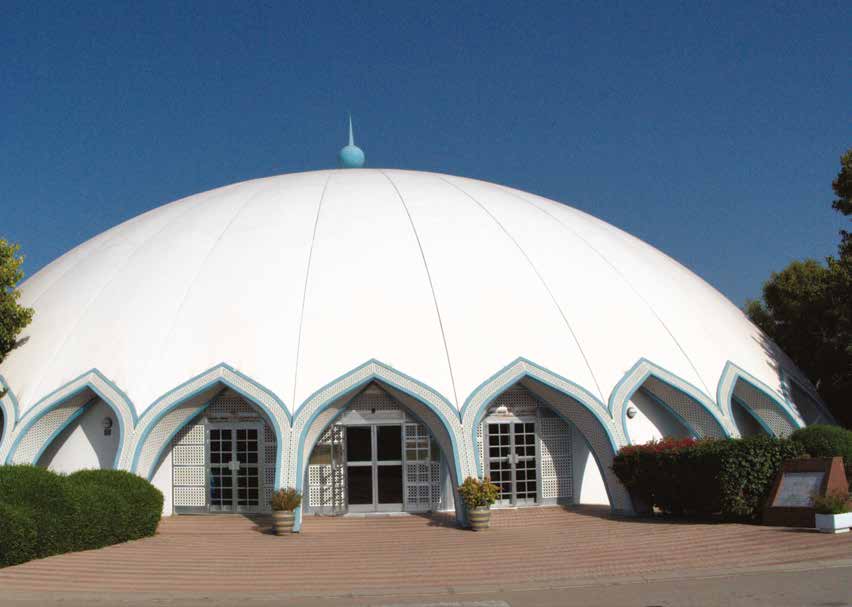
Children’s Museum Oman
Muscat’s Children’s Museum was established in 1990 in Qurum. Its distinctive larger dome housed science exhibits that use models and demonstrations to explain everyday phenomena. Contact the Ministry or museum before making a special trip for the indoor displays.
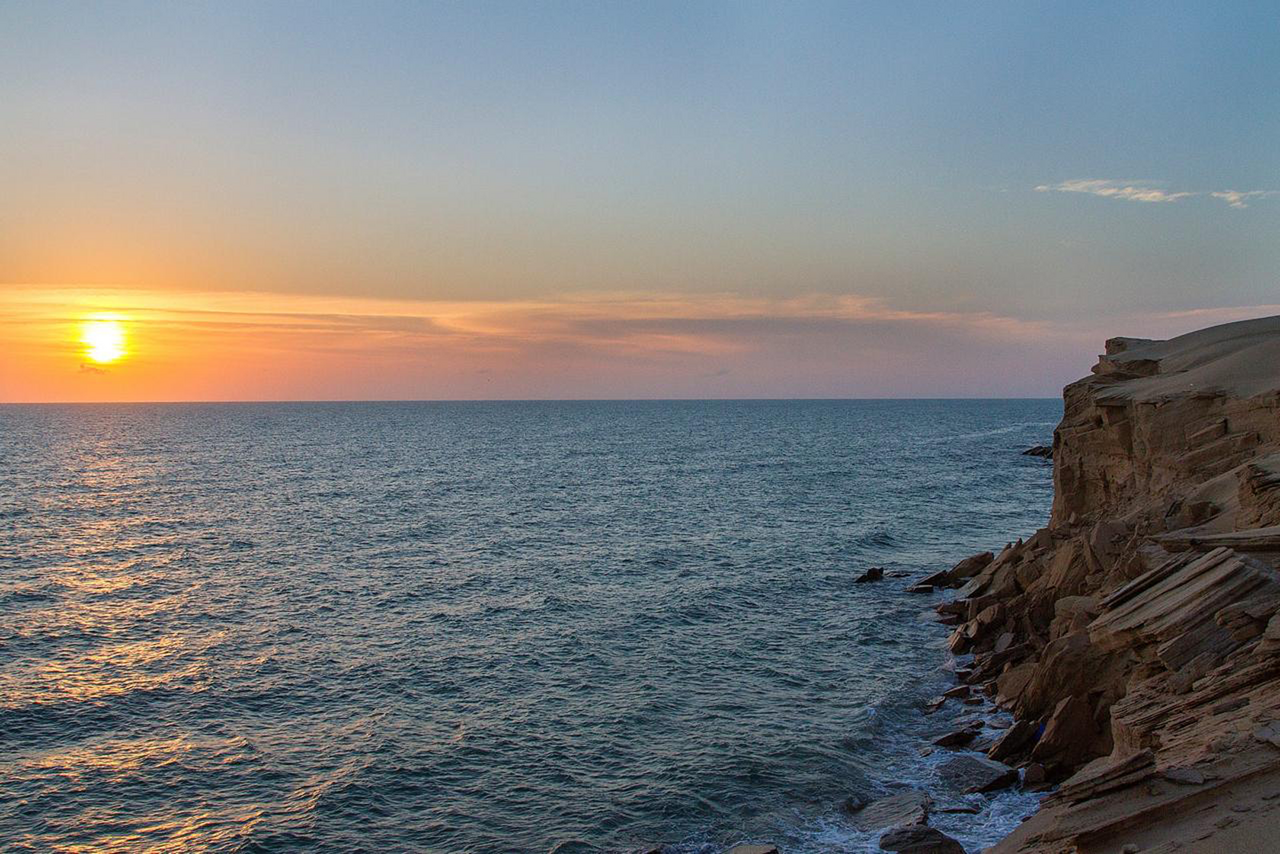
Fins Beach
The coast at Fins alternates between pale rocky shelves and stretches of beach. Stop at an established access point and take water and shade. Check sea conditions before swimming or walking around the rocks.

Fish Market Mutrah
The harbour fish market is near the western end of the corniche. An early visit gives the best chance to see the morning trade. Allow traders room around their stalls and ask before photographing people or their work.

Kalbuh Park
See the waterfront and rocky hills from Kalbuh Park, a small municipal park along the coastal road between Mutrah and Old Muscat. Confirm the park is open before including it on a walk.

Madinat Al Irfan
Madinat Al Irfan is an OMRAN mixed-use district around the Oman Convention & Exhibition Centre, west of central Muscat. Choose the convention centre, theatre or hotel as your destination so the navigation takes you to the correct entrance.

Majlis Al Jinn Cave
Majlis Al Jinn is a deep cave chamber on the Selma Plateau, with openings visible from above. It requires specialist rope access to descend. Confirm current permissions and approach conditions with a qualified local guide.

Muscat Gate Museum
The Muscat Gate marks the road approach into Old Muscat. The building spans the road and makes a natural introduction to the historic district. Check locally for museum opening arrangements before planning an indoor visit.

Mutrah Corniche
Mutrah’s harbour promenade follows the bay past merchant houses, the souq entrance and the fish market. Start near the market and follow the waterfront toward Riyam for changing views of the port and hillside fort.
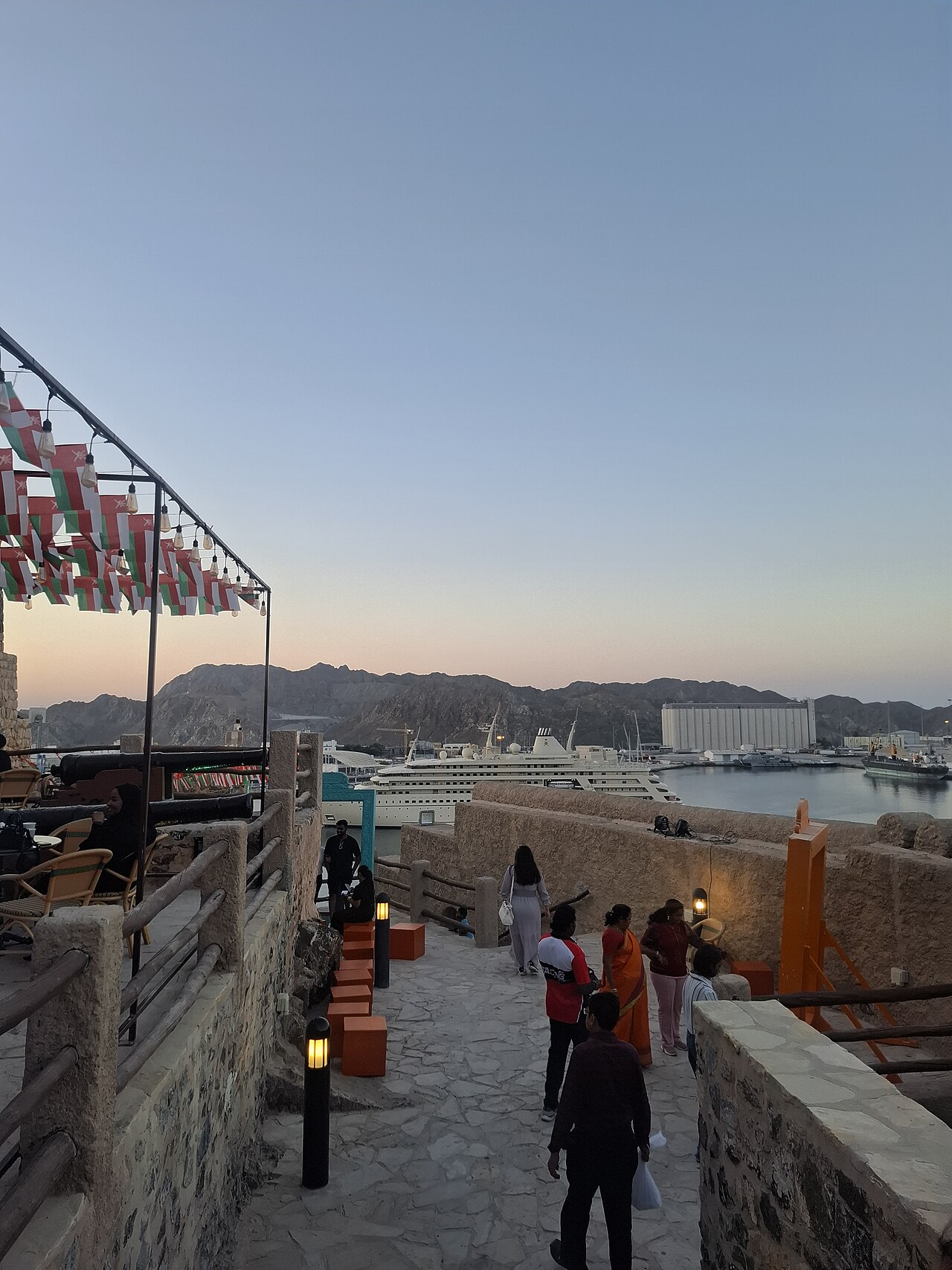
Mutrah Fort
Mutrah Fort sits above the harbour on the rocky ridge behind the waterfront. Its elevated terraces look across the corniche and toward the sea. Allow time for the climb and check current admission and opening arrangements before going.
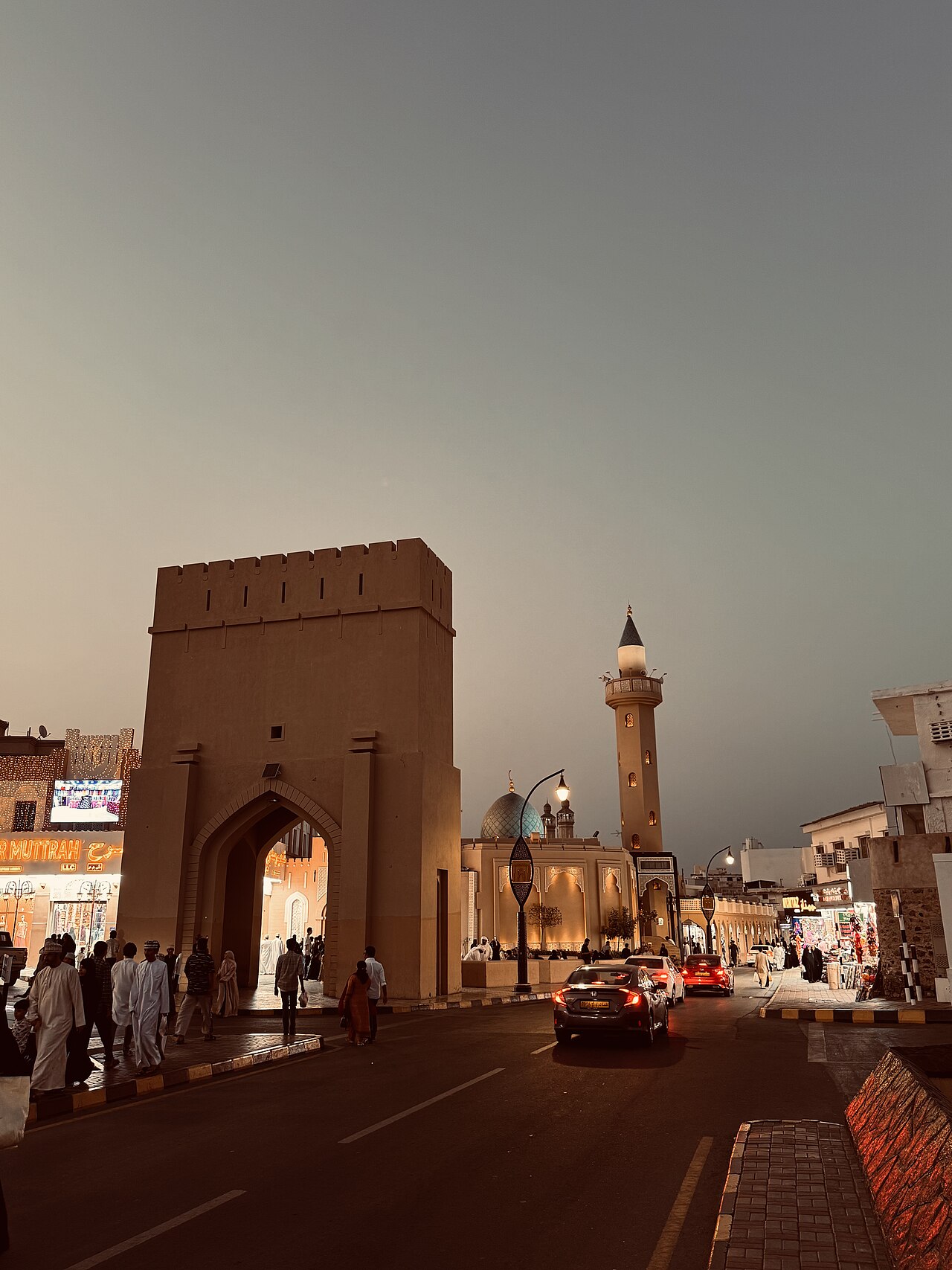
Mutrah Souq
The covered lanes of Mutrah Souq open off the waterfront and lead past merchants selling frankincense, textiles and small gifts. Explore beyond the main arcade and leave time for the corniche before or after the market.

National Museum of Oman
Opposite Al Alam Palace, the National Museum brings together Omani objects and exhibitions on seafaring, archaeology, crafts and cultural life. Set aside enough time to choose a few galleries and check admission and opening hours with the museum before visiting.

Natural History Museum Oman
Muscat's Natural History Museum closed on 1 January 2026 for redevelopment. The museum has held Arabian wildlife specimens, rocks and marine skeletons. Check Ministry of Heritage and Tourism announcements for the new museum's opening before travelling.
Old Muscat
Old Muscat sits between rocky hills and a sheltered harbour. Walk along the palace avenue and waterfront viewpoints, then choose between the National Museum and Bait Al Zubair. The town’s position is easiest to appreciate from a viewpoint overlooking both harbour forts.
Oman Aquarium
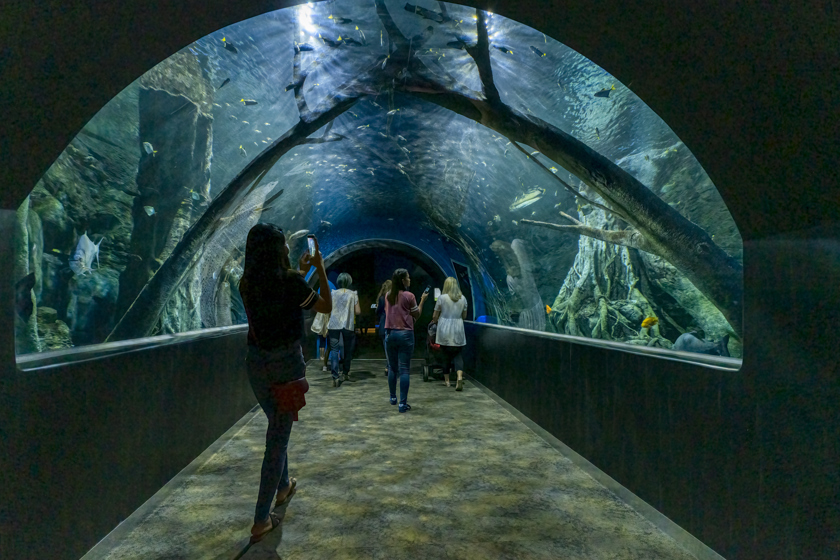
Oman Aquarium is inside Mall of Muscat in Al Maabilah. Visitor exhibits trace aquatic habitats, and the aquarium offers scheduled animal presentations and separate experiences. Check the operator for admission, feeding times and last entry before travelling.
Oman Convention & Exhibition Centre
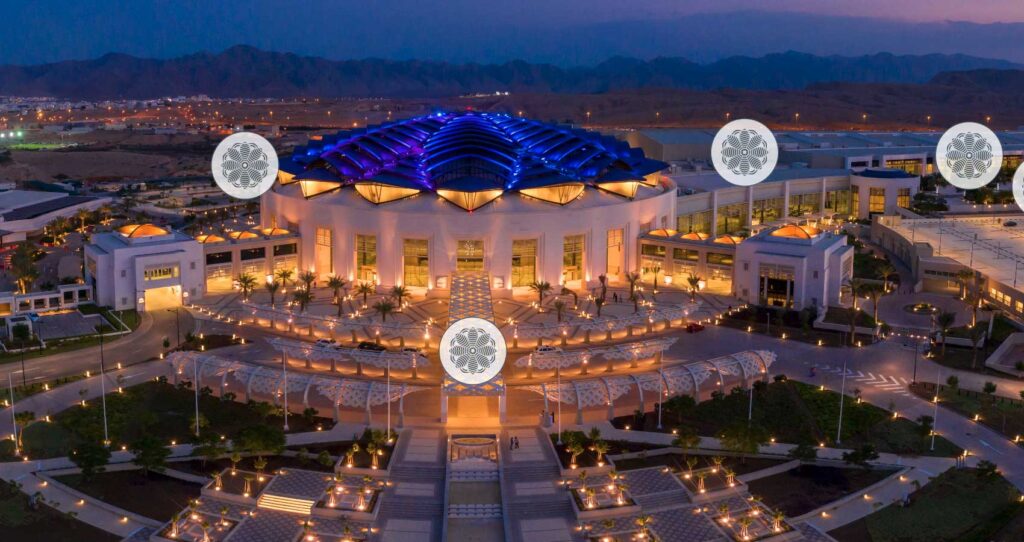
The Oman Convention & Exhibition Centre in Madinat Al Irfan hosts exhibitions, conventions and performances. Use the venue's event calendar and arrival information to confirm the hall, parking and entry arrangements for your event.
Qantab Beach
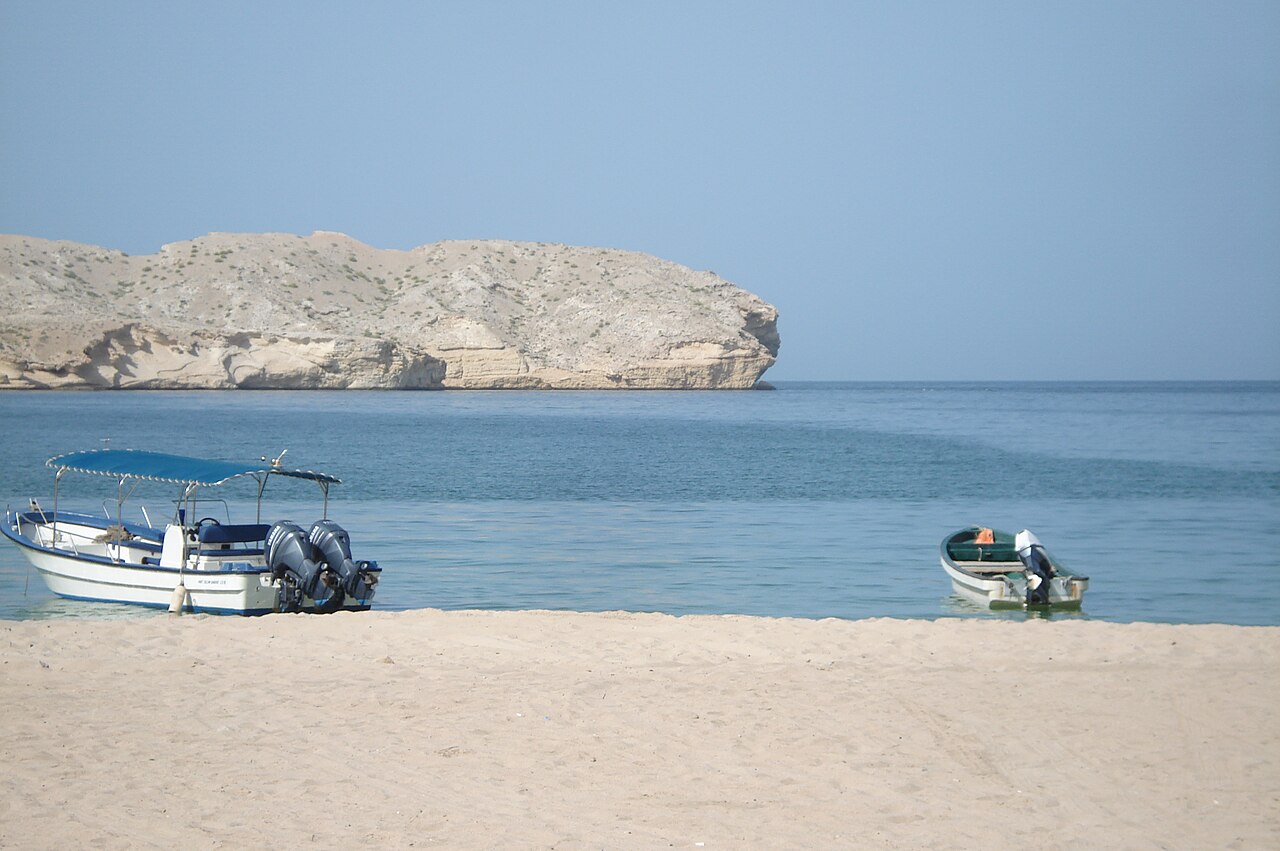
This small coastal village beach lies between steep rock headlands and is used by local fishing boats. Stop for sea views and a short walk, or arrange a boat trip locally. Give fishers room to work when boats are launching.

Qurayyat Corniche
Qurayyat Corniche follows the shore of this coastal town. Walk along the seawall for views back towards the mountains and pair it with a stop in the market or at Qurayyat Fort. Stay on the promenade where you can and use the signed parking areas.

Qurayyat Fort
Qurayyat Fort sits inside the coastal town, near the market. The fort's towers and defensive walls mark the old settlement. Check access before planning an interior visit and allow time for the nearby waterfront.
Qurum Beach
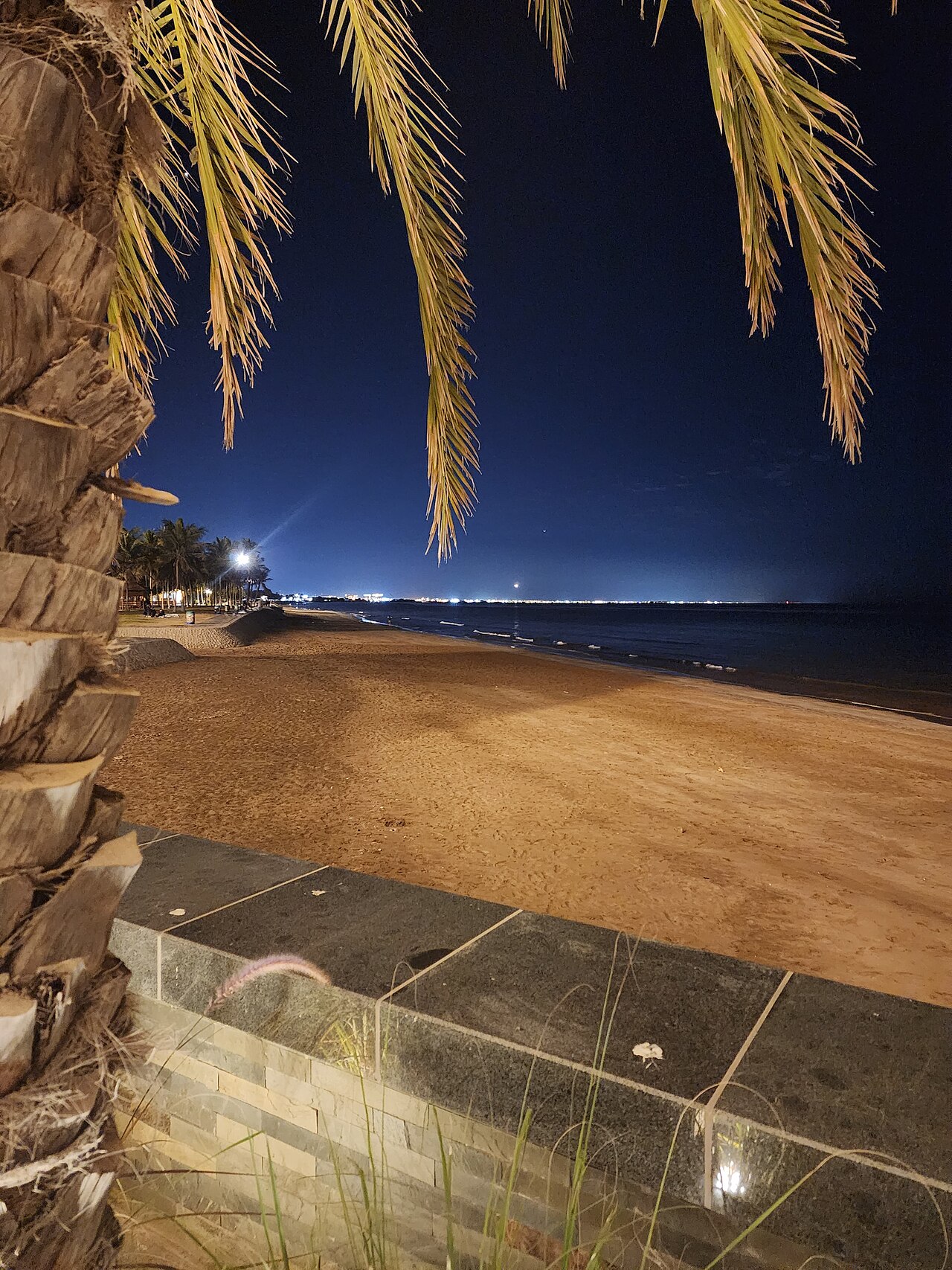
Qurum Beach is a broad urban shoreline popular for evening walks and sunset views. Follow the public waterfront and nearby cafés, and use marked access points. Sea conditions vary, so check local advice before going into the water.

Qurum Natural Park
Qurum Natural Park offers walking paths, gardens and open space inland from the beach. It makes a short break between city sights. Check seasonal public opening arrangements before planning a late visit.

Qurum Nature Reserve
The mangrove wetland at Qurum is a designated Ramsar site, with tidal channels and habitat for waterbirds. Follow posted access restrictions and check with the Environment Authority before entering protected areas.

Riyam Park
Riyam Park is near the eastern end of Mutrah Corniche. The giant white incense-burner monument on the hill is a familiar landmark, visible from the waterfront. Combine a short park stop with the corniche walk.

Royal Opera House Muscat
The opera house hosts music and performing arts in a complex of pale stone buildings, courtyards and gardens. Check the operator’s programme for performances, guided visits and times. A theatre event and daytime tour may require separate tickets.

Seeb Beach
Seeb’s coast offers long sandy stretches and views of fishing activity, with easy access from the city’s western neighbourhoods. Choose an established access point and leave fishing areas clear when boats are working.
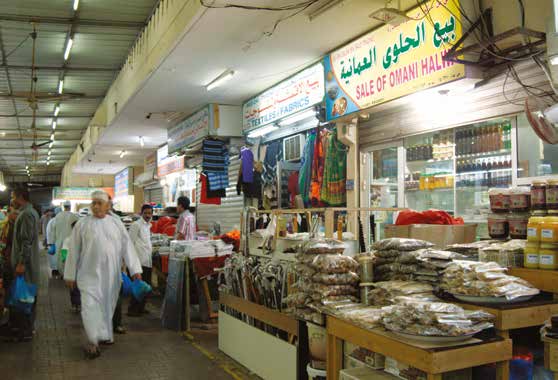
Seeb Souq
Seeb Souq is the commercial centre of one of Muscat’s coastal towns. Browse the everyday shops and traditional market stalls near the seafront. The market is spread across several streets and individual shops keep their own hours.
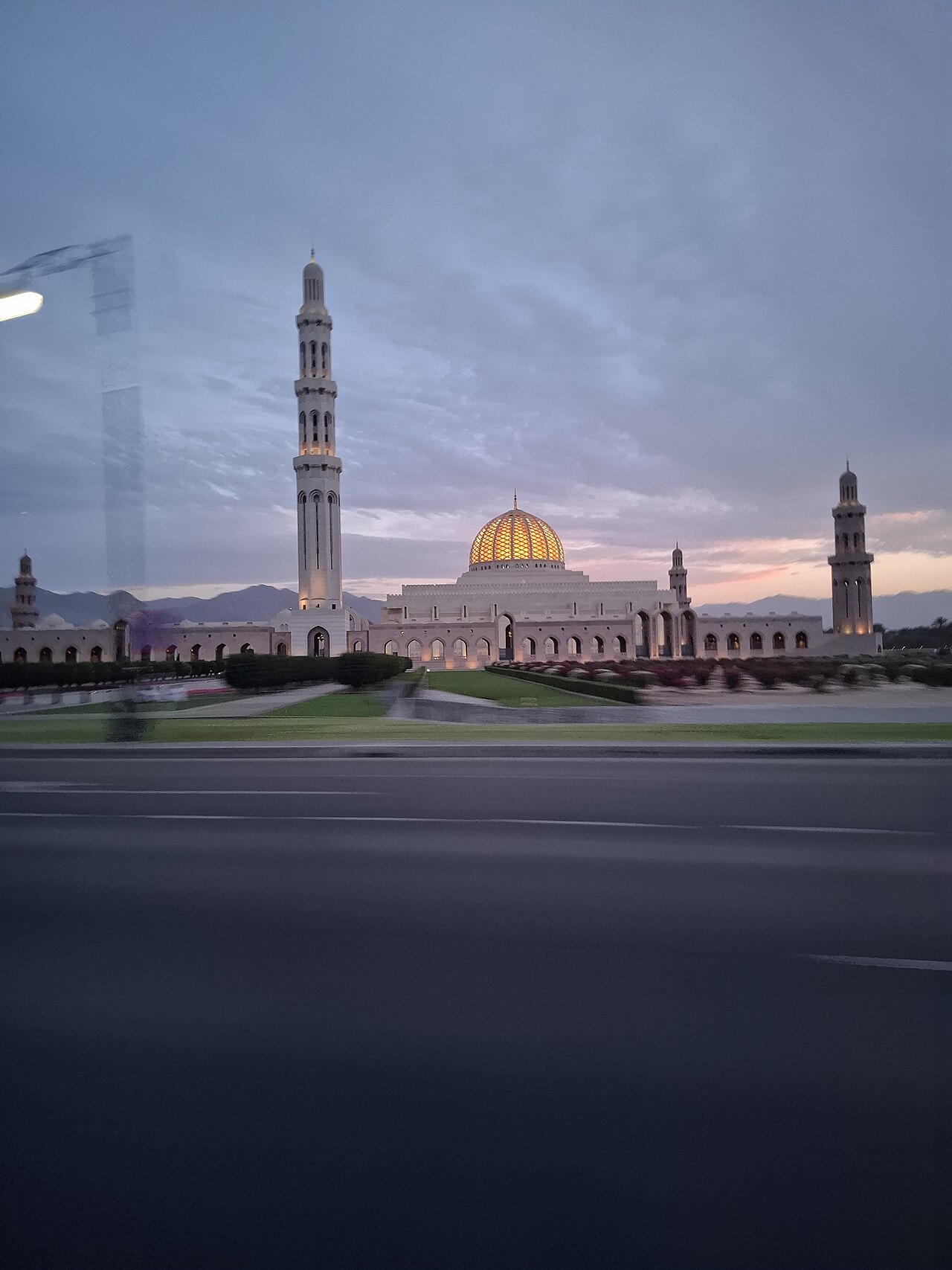
Sultan Qaboos Grand Mosque
The Grand Mosque is an active place of worship and a major example of modern Omani architecture. Eligible visitors can see the courtyards and prayer hall during designated visitor hours. Confirm the current timetable and dress requirements before arriving.

Wadi Adai
Wadi Adai runs from the Al Amirat side toward Mutrah across an urban valley. View it from public access points. Water levels can change quickly after rainfall, so stay out of the channel when rain is forecast.

Wadi Al Arbeieen
Wadi Al Arbeieen cuts through steep rock walls toward Qurayyat. The valley includes pools, date palms and small settlements. Check road conditions and rainfall forecasts before travel, especially where the route leaves paved roads.

Wadi Al Khoudh
Wadi Al Khoudh runs past the old village of Al Khoudh in Seeb, along a valley with shaded pools and a rocky streambed. Start from the village-side parking area and follow established paths. Rocks can be slippery near the water. Stay out of the channel after rain or when storms are forecast.
Visiting details
Start at Al Khoud Valley parking, reached through old Al Khoudh village. Check local weather and water levels before walking beyond the village.

Wadi Dayqah
Wadi Dayqah is the valley that feeds the large reservoir in Qurayyat. The dam overlook and reservoir recreation area are managed visitor spaces. Check the operator's hours and booking details for water activities.

Wadi Dayqah Dam
The dam in the Qurayyat hills holds a reservoir framed by ochre ridges. The developed viewing area gives an easy look at the landscape and is a separate stop from visiting the lower wadi. Check local opening and water activity arrangements.
White Beach
White Beach is the pale shore at Fins on the Muscat–Sur coastal route. The beach sits below low coastal cliffs, with rocky stretches nearby. Use established access, bring water and shade, and look at sea conditions from shore before swimming.
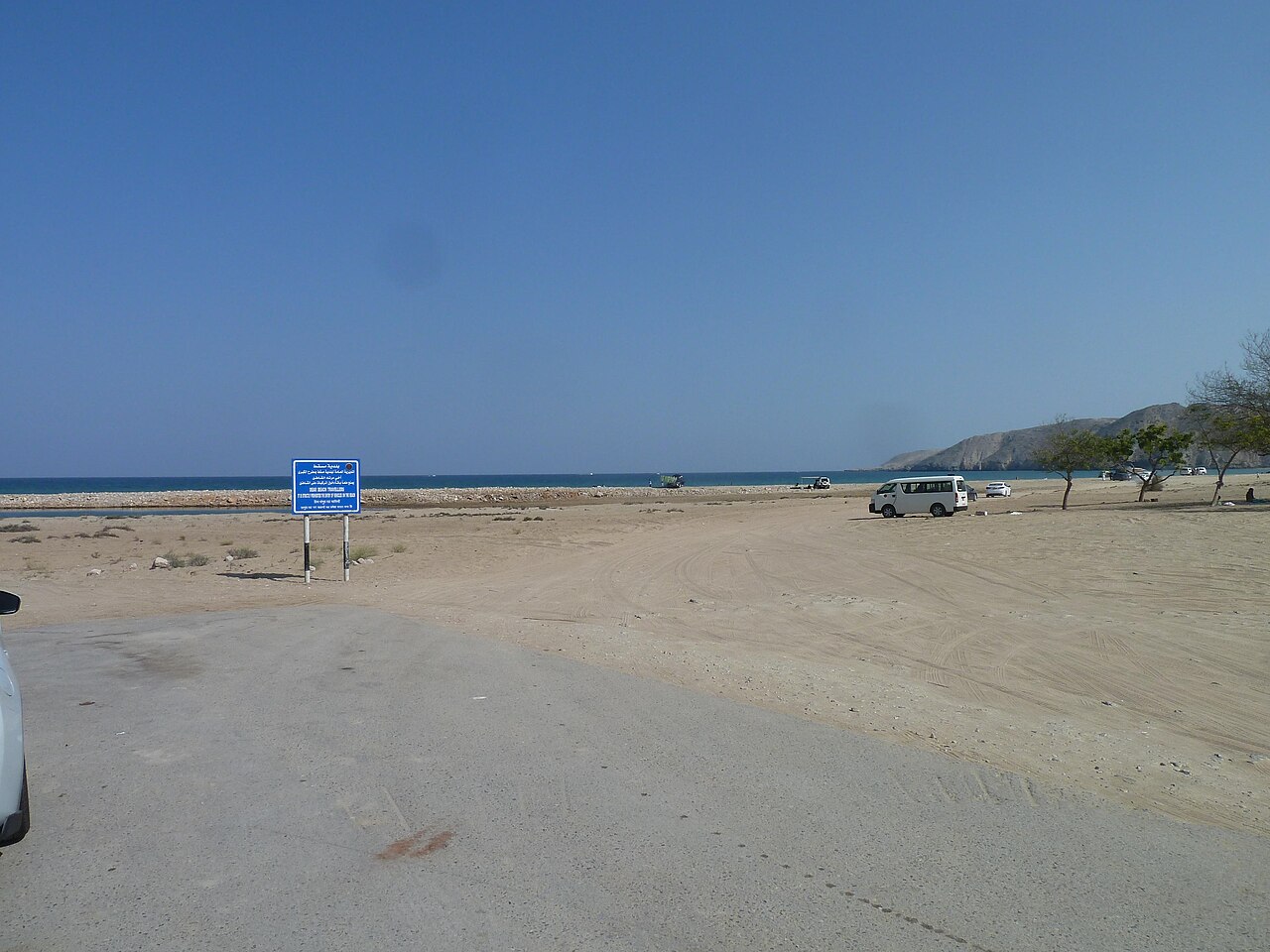
Yiti Beach
Yiti is a coastal village southeast of Muscat with a bay set against rugged hills. Look for currently accessible public shore access before driving to the beach, as development can change approaches. Bring supplies for a short visit.